
Three E's of VES classes
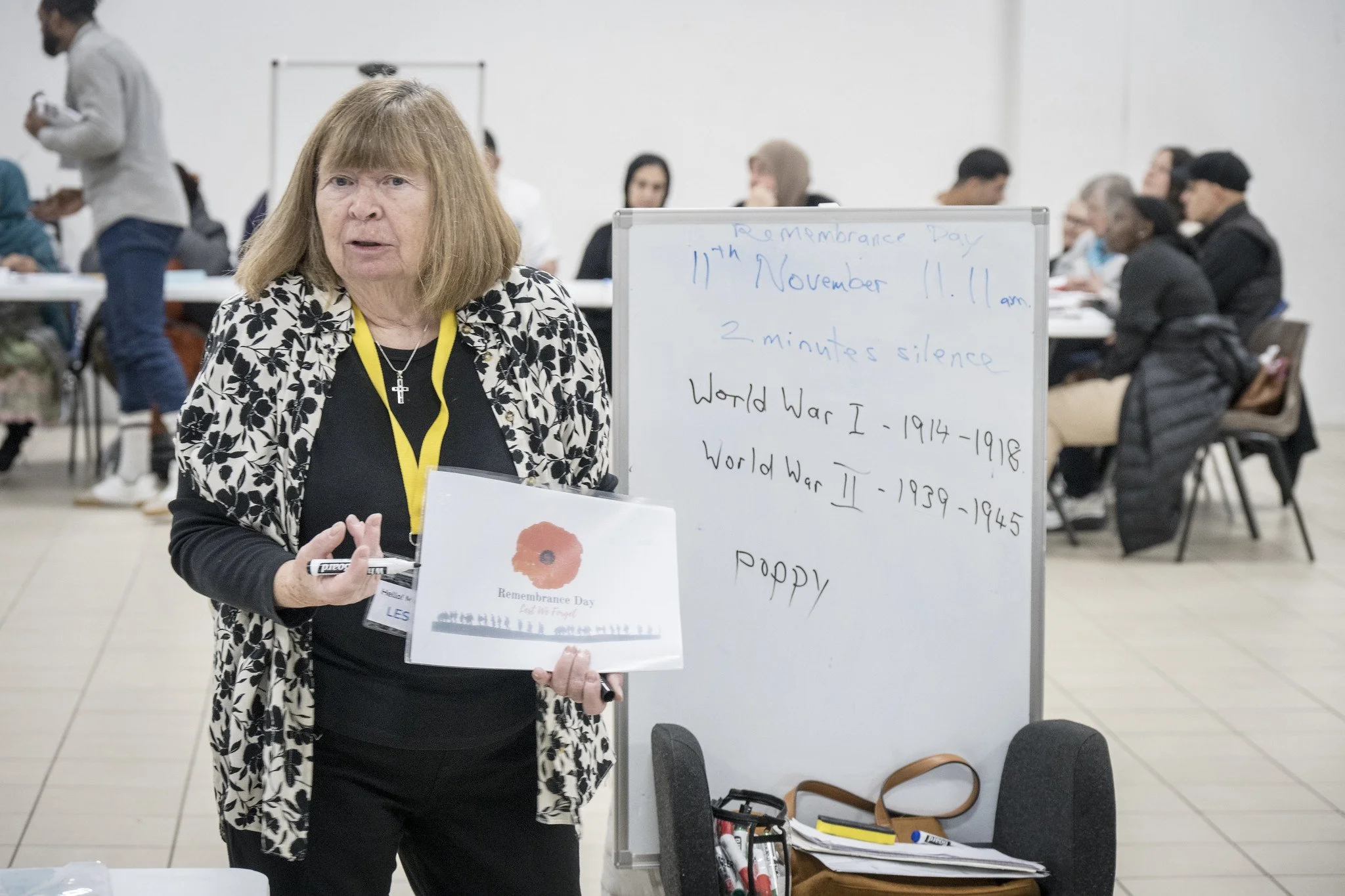
When we talk about what makes a Vineyard English School class work, it’s tempting to focus on individual techniques or activities. But over time, a simpler framework has emerged that captures what we’re really aiming for. At VES, our classes are shaped by three guiding priorities: Engaging, Educational, and Equipping.
Engaging
An engaging class is one where students want to be there - and want to keep coming back. Engagement isn’t about constant entertainment, but about creating an atmosphere where people feel welcomed, noticed, and involved. Simple things matter: learning names, varying activities, checking understanding, and being responsive to the room. Some things help engagement; others hinder it. Overloading a lesson, pitching it at the wrong level, or trying something too complex without support can quickly lose people. Engagement grows when students feel safe to try, to make mistakes, and to participate at their own pace.
Educational
VES classes are recognisably classes. They start on time, are teacher-led, and work through a clear curriculum within real constraints. Our lessons are vocabulary-based, stand-alone, and built around a predictable (but not rigid) framework. This consistency is a strength: it works for volunteers who can say “yes” at short notice, pick up the materials at 10am, and teach with confidence. Time, level, plan, and worksheet — tick. More dynamic activities are there to serve learning, not replace it. Lessons are pitched according to CEFR levels, helping students progress without feeling lost or overwhelmed.
Equipping
Finally, VES classes aim to be genuinely helpful for life in the UK, particularly for those navigating the asylum system. This means being selective. We’ve intentionally cut topics that don’t serve that aim, and prioritised those that do: health, everyday life in Croydon, and practical English people can use immediately. Beyond the classroom, we also see equipping through signposting. Our classes regularly signpost to after class activities like Bible study, fitness sessions, employability workshops, and asylum support. These spaces help people practise English while stepping more confidently into life here.
A good VES class doesn’t do everything perfectly. But we can ask three simple questions as review:
Were people engaged?
Did we teach the core of the material?
Did we equip them for life in the UK?
If the answer is broadly “yes”, then we’re doing something right.